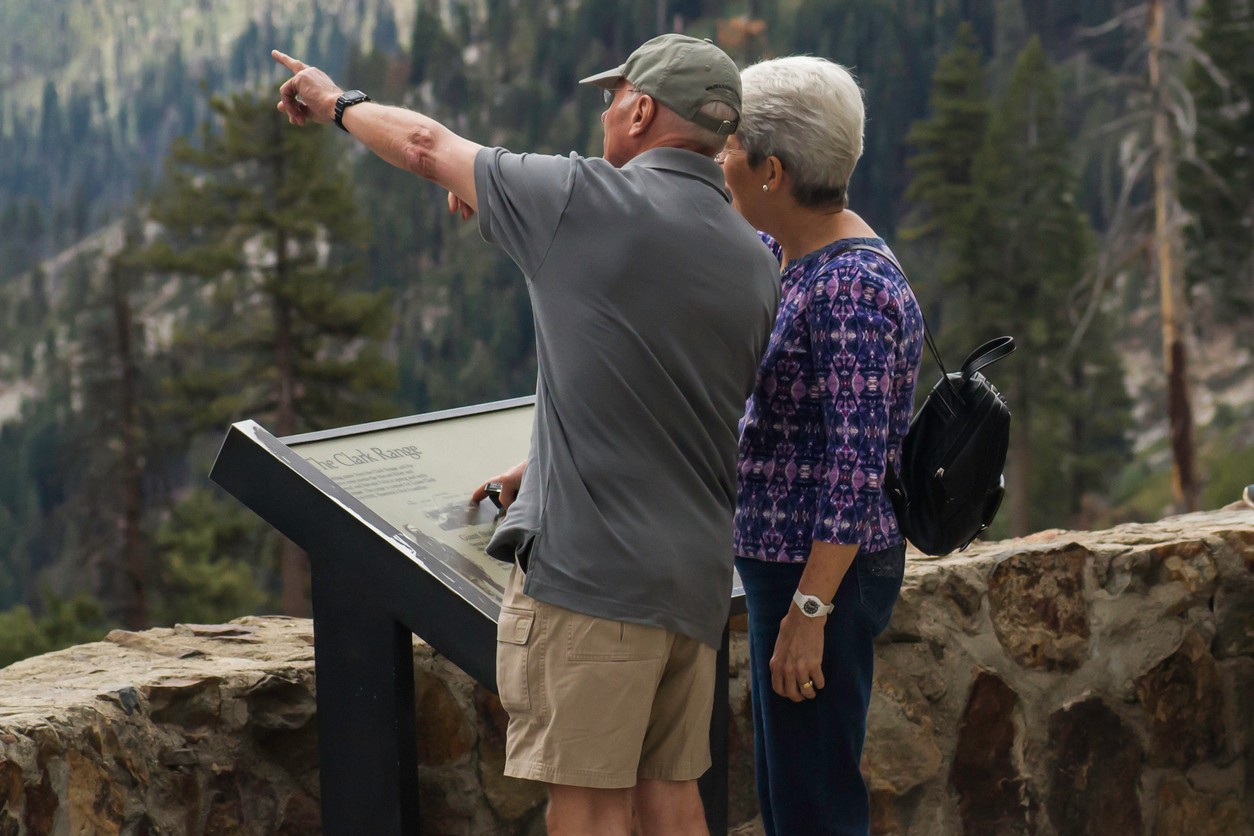
Retirement offers something many people spend decades dreaming about: TIME. Time to travel, time to reconnect with nature, and time to visit places that may have been on your bucket list for years. America's national parks provide some of the most spectacular landscapes in the world, from towering mountains and waterfalls to deserts, forests, canyons, and coastlines.
One of the greatest advantages of retirement is having the opportunity to explore more of our own country. The United States offers an incredible variety of travel experiences, from the beaches of Florida and Hawaii to the rugged coastline of Maine, the Blue Ridge Mountains, New England's historic villages, the Great Lakes region, the deserts of the Southwest, and the breathtaking scenery of Alaska. While international travel can be exciting, many retirees discover that some of the world's most memorable destinations are right here at home.
But here's an important reality many retirees discover: some parks are easier to enjoy at 60 than at 80.
That doesn't mean travel has to stop as we age. It simply means that planning and adapting become increasingly important. By prioritizing more physically demanding destinations earlier in retirement, travelers can enjoy greater flexibility while preserving plenty of adventures for later years.
Why Visit National Parks Earlier in Retirement?
Many retirees assume they'll have decades to visit the places they've always wanted to see. While that's often true, physical changes can make certain experiences more challenging over time.
Activities such as:
- Hiking steep trails
- Climbing observation points
- Walking long distances
- Navigating uneven terrain
- Enduring high elevations
- Managing extreme temperatures
may become more difficult as mobility, balance, stamina, vision, or hearing changes with age.
That doesn't mean you shouldn't travel later in life. It simply means that destinations requiring greater physical effort may be worth prioritizing earlier in retirement.
According to the National Park Service, adults age 62 and older can purchase an "America the Beautiful" Senior Pass, providing access to national parks and federal recreation sites throughout the country. This pass is one of the most valuable senior discount benefits available to retirees, offering affordable access to more than 2,000 federal recreation sites, including national parks, national forests, wildlife refuges, and other public lands. For retirees who enjoy travel, outdoor recreation, and sightseeing, the pass can pay for itself after just a few visits while encouraging an active lifestyle and lifelong exploration.
Learn more at: https://www.nps.gov/planyourvisit/senior-pass-changes.htm
Parks You Should Consider
1. Yellowstone National Park
Wyoming, Montana, and Idaho
Yellowstone remains one of America's most iconic destinations.
Highlights include:
- Old Faithful
- Grand Prismatic Spring
- Mammoth Hot Springs
- Wildlife viewing
- Scenic drives
While many attractions are accessible, Yellowstone rewards travelers who can comfortably spend long days exploring.
National Park Service: https://www.nps.gov/yell
2. Grand Canyon National Park
Arizona
Photographs simply don't prepare visitors for the scale of the Grand Canyon.
Popular activities include:
- Rim Trail walks
- Scenic overlooks
- Ranger programs
- Shuttle tours
While many viewpoints are accessible, descending into the canyon requires significant physical conditioning and should generally be attempted earlier in retirement.
National Park Service: https://www.nps.gov/grca
3. Glacier National Park
Montana
Often called the "Crown of the Continent," Glacier offers breathtaking mountain scenery and wildlife.
Visitors enjoy:
- Going-to-the-Sun Road
- Alpine lakes
- Historic lodges
- Scenic overlooks
Glacier is best enjoyed when mobility and endurance are still relatively strong.
National Park Service: https://www.nps.gov/glac
4. Zion National Park
Utah
Zion's dramatic canyon walls attract visitors from around the world.
Popular activities include:
- Riverside Walk
- Scenic shuttle routes
- Canyon viewpoints
- Wildlife viewing
More strenuous hikes such as Angels Landing make Zion a good early-retirement destination.
National Park Service: https://www.nps.gov/zion
5. Acadia National Park
Maine
Acadia offers a wonderful balance of accessibility and adventure.
Visitors can enjoy:
- Cadillac Mountain
- Ocean views
- Scenic drives
- Carriage roads
- Ranger programs
Many highlights can be enjoyed with minimal hiking, making Acadia one of the most accessible parks on this list.
National Park Service: https://www.nps.gov/acad
6. Great Smoky Mountains National Park
Tennessee and North Carolina
As America's most visited national park, the Smokies offer something for nearly everyone.
Highlights include:
- Scenic mountain drives
- Historic structures
- Wildlife viewing
- Waterfalls
- Accessible visitor centers
National Park Service: https://www.nps.gov/grsm
7. Rocky Mountain National Park
Colorado
Rocky Mountain National Park offers spectacular alpine scenery but also presents challenges due to elevation.
Older adults should:
- Acclimate slowly
- Stay hydrated
- Monitor breathing and energy levels
National Park Service: https://www.nps.gov/romo
Traveling Doesn't Have to Break the Budget
Traveling doesn't have to strain your retirement budget. Taking advantage of senior discounts, veteran benefits, and travel-related savings opportunities can make visiting America's national parks more affordable. The America the Beautiful Senior Pass is just one example of a benefit many retirees overlook.
For additional ways to save money in retirement, see the AMAC Foundation article Ways to Stretch Your Retirement Income, which highlights senior discounts, veteran benefits, Medicare savings programs, property tax relief opportunities, and other practical strategies for making retirement dollars go further.
Staying Active and Traveling as You Age
The goal isn't to stop traveling. The goal is to adapt. Many older adults continue exploring national parks successfully by making thoughtful modifications.
Choose Lodging Strategically
Consider:
- Ground-floor accommodations
- Properties with elevators
- Hotels near park entrances
Embrace Scenic Drives
Many national parks offer spectacular experiences without extensive hiking.
Examples include:
- Going-to-the-Sun Road (Glacier)
- Blue Ridge Parkway
- Trail Ridge Road (Rocky Mountain)
- Grand Canyon Desert View Drive
Use Mobility Supports When Needed
Helpful mobility aids include:
- Trekking poles
- Walking sticks
- Mobility scooters
- Wheelchairs
The National Park Service provides accessibility information for every park: https://www.nps.gov/subjects/accessibility/index.htm
Build Rest Days Into Your Schedule
Consider:
- Alternating activity days with rest days
- Taking midday breaks
- Avoiding back-to-back travel days
Travel During Shoulder Seasons
Spring and fall often offer:
- Smaller crowds
- Cooler temperatures
- Lower lodging costs
This is particularly important given the increasing frequency of extreme heat events.
For more information, see the AMAC Foundation article: Climate Change and Extreme Heat: Staying Safe and Active as a Senior
Health Considerations Before a National Park Trip
Before traveling, consider:
- Medication management
- Emergency contacts
- Travel insurance
- Mobility limitations
- Altitude concerns
- Heat exposure risks
- Hydration needs
Maintaining strength and mobility can make travel more enjoyable and may make it easier to navigate airports, trails, stairs, and guided tours. Chair Exercises After 50: Simple Seated Workouts for Strength, Flexibility and Mobility offers accessible ways for older adults to build strength and mobility, even from home.
The Best Time Is Now
Many retirees wait for the "perfect" time to travel. The truth is that the perfect time rarely arrives.
National parks reward curiosity, activity, and adventure. Whether you're hiking mountain trails, photographing wildlife, enjoying a ranger's presentation, or simply watching the sunset from a scenic overlook, these experiences create memories that last a lifetime.
By planning ahead, taking advantage of valuable senior travel benefits, and adjusting your travel style as your needs evolve, you can continue exploring America's natural treasures for years to come.
National parks may be among America's greatest treasures, but they're only part of the story. Retirees can also enjoy scenic byways, historic landmarks, charming small towns, coastal communities, cultural attractions, and regional food destinations throughout the country. Whether you're driving the Blue Ridge Parkway, exploring New England Fall Foliage, visiting the Black Hills & Badlands of South Dakota, touring the Great Lakes Region, enjoying the beauty of the Florida Keys, or experiencing Travel Alaska and its rugged wilderness, there is no shortage of remarkable places to explore without leaving the United States.
Use accessibility resources when necessary, plan thoughtfully, and travel at a pace that works for you. Whether your adventure involves a challenging hike, a scenic drive, a wildlife tour, or a quiet afternoon at a historic lodge, America's national parks offer opportunities for exploration at every stage of life.
America's national parks belong to all of us, and there is no age limit on wonder.
Related AMAC Foundation Articles
- Chair Exercises After 50: Simple Seated Workouts for Strength, Flexibility and Mobility
- Ways to Stretch Your Retirement Income
- Climate Change and Extreme Heat: Staying Safe and Active as a Senior
Additional Resources
- National Park Service: https://www.nps.gov
- National Park Accessibility Resources: https://www.nps.gov/subjects/accessibility/index.htm
- America the Beautiful Senior Pass: https://www.nps.gov/planyourvisit/senior-pass-changes.htm