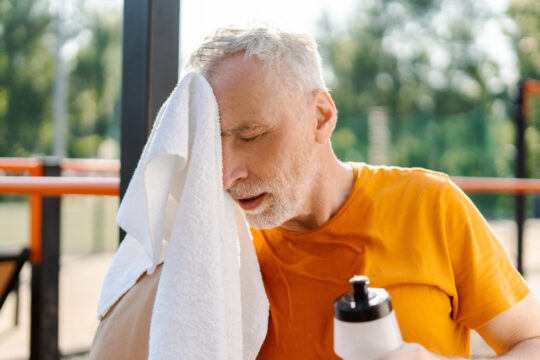
As temperatures rise, older adults face greater health risks from extreme heat. Climate change is leading to more frequent and intense heat waves, making it especially important for seniors to take precautions. While communities are responding by expanding access to cooling centers, strengthening emergency response and expanding heat-safety programs; staying informed and prepared will help seniors stay cool and continue to lead active lives.
Why Heat Is More Dangerous for Seniors
As we age, our bodies become less efficient at regulating temperature. Older adults often do not sweat as much as younger people, making it harder to cool down naturally. The sensation of thirst may also diminish with age, increasing the risk of dehydration during hot weather.
Many seniors live with chronic health conditions such as heart disease, diabetes, lung disease, or kidney disorders that can make it more difficult for the body to respond to heat stress. In addition, certain medications—including diuretics, blood pressure medications, antihistamines, and some antidepressants—can affect hydration levels or interfere with the body's natural cooling mechanisms.
Heat can also place extra strain on the heart and circulatory system. When temperatures rise, the heart must work harder to pump blood to the skin to help release heat. This added stress can be particularly challenging for individuals with cardiovascular conditions.
Other factors, such as living alone, limited mobility, lack of air conditioning, or difficulty accessing transportation to cooling centers, can further increase vulnerability during heat waves. For these reasons, older adults are more likely to experience heat exhaustion, heat stroke, dehydration, and other heat-related complications.
Understanding these risks is the first step toward staying safe, healthy, and comfortable during periods of extreme heat.
Warning Signs of Heat-Related Illness
Recognizing the symptoms of heat exhaustion and heat stroke is critical.
Heat Exhaustion:
- Heavy sweating
- Weakness or dizziness
- Nausea or headache
Heat Stroke (Emergency):
- Body temperature above 103°F
- Confusion or unconsciousness
- Hot, dry skin
Call 911 immediately if heat stroke is suspected.
Simple Ways to Stay Cool and Safe
- Stay hydrated: Drink water regularly.
- Keep cool: Use air conditioning or visit public cooling spaces.
- Dress lightly: Wear breathable, light-colored clothing.
- Limit outdoor activity: Avoid peak heat hours.
- Cool down: Take cool showers or use damp cloths.
- Stay connected: Check on others and arrange regular contact if you live alone.
Staying Active Safely During Hot Weather
Regular exercise remains one of the best ways for older adults to maintain strength, balance, flexibility, heart health, and independence. However, exercising safely is essential during the summer months.
- Exercise during cooler hours like early morning or evening.
- Stay hydrated before, during, and after activity. Dehydration can occur quickly in hot conditions. If you're thirsty, you may already be dehydrated.
- Choose indoor options such as:
- Walking at a shopping mall or indoor track
- Swimming or water aerobics
- Fitness classes at a senior center
- Using resistance bands at home
- Yoga, stretching, or balance exercises
- Treadmills or stationary bicycles
- Listen to your body: Stop if you feel dizzy, fatigued, or unwell.
- Adjust intensity: Shorter, lighter workouts are safer during heat waves. A 20- to 30-minute walk in a cool environment can provide significant health benefits. Consistency is more important than intensity during periods of extreme heat.
- Consult your doctor if you have health conditions or take medications.
- Dress for the weather by wearing lightweight, breathable clothing and supportive footwear. Use sunscreen and wear a hat when exercising outdoors. Light-colored clothing can help reflect sunlight and keep you cooler.
A Final Thought
Extreme heat is a growing concern, but simple steps can make a big difference. Stay hydrated, stay cool, stay active, and stay connected. During Code Red heat emergencies, check on vulnerable neighbors, don't forget about pets and seek help if needed. A little preparation goes a long way in helping seniors stay safe and healthy.
Remember: when temperatures rise, safety comes first.