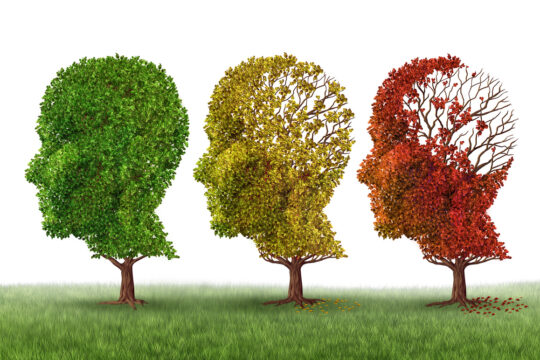
As we age, many of us notice changes in our hearing. Conversations in crowded restaurants become harder to follow. We may need to turn up the television volume or ask people to repeat themselves more often. While hearing loss is common, many people don't realize it may also be connected to brain health.
Recent research has found a strong link between hearing loss and an increased risk of dementia. Understanding this connection can help older adults take important steps to protect both their hearing and their cognitive health. Most seniors are not getting their hearing checked on any regular basis, with many doctors not encouraging their older patients to get their hearing checked, according to the Association of Mature American Citizens [AMAC].
The Growing Impact of Hearing Loss
Hearing loss affects millions of Americans, particularly those over age 50. According to the National Institute on Deafness and Other Communication Disorders, about one in three adults between ages 65 and 74 experiences hearing loss, and nearly half of those older than 75 have difficulty hearing.
Unfortunately, hearing loss often develops gradually. Because the changes happen slowly, many people may not recognize the extent of their hearing difficulties until communication becomes significantly challenging.
What Is the Connection to Dementia?
Researchers have identified hearing loss as one of the most significant modifiable risk factors for dementia. While hearing loss does not directly cause dementia, studies suggest several ways the two may be connected.
Increased Brain Strain
When hearing becomes more difficult, the brain must work harder to understand speech and sounds. This extra effort can divert resources away from other important functions such as memory and thinking.
Social Isolation
People with hearing loss may avoid social gatherings because conversations become frustrating or exhausting. Over time, reduced social interaction can contribute to loneliness and isolation, both of which have been linked to cognitive decline.
Reduced Brain Stimulation
The parts of the brain responsible for processing sound require regular stimulation. When hearing loss limits sound input, these areas may become less active, potentially affecting overall brain function.
What Research Shows
Several large studies have found that individuals with untreated hearing loss are more likely to develop dementia than those with normal hearing. The risk appears to increase as hearing loss becomes more severe.
Encouragingly, newer research suggests that treating hearing loss may help reduce this risk. In one major study, older adults who used hearing aids experienced slower rates of cognitive decline compared with similar adults who did not receive hearing treatment.
While hearing aids are not a cure for dementia, they may play an important role in maintaining cognitive health.
Signs You May Need a Hearing Evaluation
Consider scheduling a hearing test if you:
- Frequently ask others to repeat themselves
- Have difficulty following conversations in noisy environments
- Turn up the television or radio louder than others prefer
- Misunderstand words or respond incorrectly during conversations
- Feel tired after social interactions because listening requires extra effort
A hearing evaluation is simple, painless, and can provide valuable information about your hearing health. “While Medicare does not cover routine hearing services, there are other hearing related services it does cover”. Some options may include: Medicare Advantage Plans (Part C) or Stand-alone Hearing Plans.
Steps to Protect Your Hearing and Brain Health
Get Regular Hearing Screenings
Just as you monitor blood pressure and vision, hearing should be checked regularly, especially after age 50.
Consider Hearing Aids if Recommended
Modern hearing aids are smaller, more effective, and more comfortable than many people realize. Early treatment may help keep you socially engaged and mentally active.
Stay Socially Connected
Maintaining relationships, participating in community activities, and staying engaged with family and friends can support both emotional and cognitive well-being.
Exercise and Eat Well
Physical activity, a heart-healthy diet, and good management of chronic conditions such as diabetes and high blood pressure benefit both hearing and brain health.
Protect Your Ears
Limit exposure to loud noises and use hearing protection when necessary. Preventing further hearing damage is important at any age.
Find out what is covered
Hearing care is not an “Essential Health Benefit” under the Affordable Care Act but there are a handful of states where hearing coverage is included in their Marketplace plans. Having dedicated hearing coverage helps bridge the gap left by Medicare and Marketplace plans.
Understanding Cost
To better understand why hearing aids vary in price, it's important to look at the factors that contribute to their overall cost. Today's hearing aids are sophisticated devices that offer far more than sound amplification. Many models can connect to smartphones through dedicated apps, stream phone calls and media via Bluetooth, provide reminders for important tasks, detect falls and send alerts to loved ones, track health and activity levels, and even use artificial intelligence to translate languages in real time. In addition to these advanced features, the cost also reflects the personalized fitting process, professional adjustments, and ongoing support and aftercare that help ensure the devices perform effectively over time.
The Bottom Line
Hearing loss is often viewed as a normal part of aging, but it should not be ignored. Growing evidence shows that hearing health and brain health are closely connected. The good news is that hearing loss is often treatable, and taking action early may help preserve communication, independence, and cognitive function.
If you or a loved one are experiencing hearing difficulties, talk with a healthcare provider or hearing specialist. A simple hearing test today could be an important step toward protecting your quality of life for years to come.