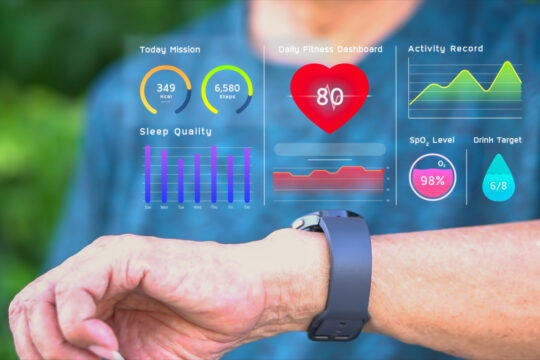
Smart technology that can detect falls, monitor your heart, notify loved ones during an emergency, and provide peace of mind.
A wearable health device may be one of the smartest investments you can make for your health after 50. Today’s smartwatches and medical alert devices can detect falls, monitor heart rhythms, connect you with emergency assistance, and even notify loved ones if something goes wrong. For many adults, they provide an added layer of protection that supports independent living and greater peace of mind.
Whether you’re active, live alone, are recovering from surgery, or are managing osteoporosis or balance concerns, wearable health devices can provide an added layer of protection while helping you maintain your independence. As technology continues to improve, wearable health devices are becoming valuable tools for healthy aging—not just fitness accessories.
According to the Centers for Disease Control and Prevention (CDC), more than one in four adults age 65 and older experiences a fall each year, with less than half reporting it to their doctors, making falls one of the leading causes of injury among older Americans. While exercise, home safety improvements, and routine medical care remain essential, wearable health devices can provide critical assistance when every minute counts.
Learn more about fall prevention through the CDC’s STEADI® initiative: https://www.cdc.gov/steadi/
How Wearable Health Devices Detect Falls
Many popular smartwatches and medical alert systems contain sophisticated sensors that can recognize the motion and impact associated with a hard fall.
If the wearer remains motionless or doesn’t respond to an alert within a short period, some devices can automatically:
- Call 911 or local emergency services
- Notify designated family members or caregivers
- Share the wearer’s GPS location
- Connect the user to a 24/7 emergency response center
Although wearable health devices cannot prevent a fall, they may help reduce the amount of time someone remains without assistance after an accident.
Monitoring Your Heart Around the Clock
Many newer wearable health devices now include health-monitoring features once available only in medical settings.
Depending on the device, they may monitor:
- Heart rate throughout the day
- Unusually high or low heart rates
- Irregular heart rhythms that may suggest atrial fibrillation (AFib)
- Electrocardiogram (ECG) readings
- Blood oxygen levels (on select devices)
- Sleep quality and overnight heart trends
Some devices can alert users when readings fall outside normal ranges, encouraging them to contact their healthcare provider.
It’s important to remember that wearable health devices are designed to complement—not replace—regular medical care. While they can monitor heart rate, detect certain irregular heart rhythms, and provide emergency assistance after a fall, they cannot diagnose medical conditions or predict every emergency. If you experience symptoms such as chest pain, shortness of breath, dizziness, fainting, or heart palpitations, seek medical attention promptly. Think of wearable health devices as an additional layer of protection that can help you and your healthcare provider identify potential concerns earlier—not as a substitute for professional medical evaluation.
The American Heart Association offers additional information about heart health:
https://www.heart.org/
More Than Fall Detection
Today’s wearable health devices often includes features that can make everyday life safer and more convenient.
Depending on the model, users may also have access to:
- GPS location sharing
- Emergency SOS calling
- Medication reminders
- Activity tracking
- Sleep monitoring
- Exercise coaching
- Voice calling and texting
- Calendar and appointment reminders
For caregivers, many devices also allow family members to receive emergency alerts or location updates if assistance is needed.
Who Should Consider a Wearable Device?
Wearable health devices may be especially helpful for adults who:
- Live independently
- Have a history of falls
- Have heart disease or irregular heart rhythms
- Frequently travel or exercise alone
- Want added peace of mind
- Care for an aging spouse or parent
Many users appreciate knowing that help may be available with the touch of a button—or automatically if they cannot call for assistance themselves.
Quick Ways to Make Your Home Safer
Technology is only one part of staying safe. If you’re planning to age in place—whether in your current home or a future one—look for features such as a single-story layout, wider doorways, open floor plans, good lighting, and bathrooms that can be easily adapted with grab bars or walk-in showers.
No single wearable device is right for everyone. The best choice depends on your health needs, lifestyle, smartphone, and whether you prefer a wearable health device or a dedicated medical alert device.
For additional tips, read our guides:
7 Practical Ways to Make Your Home Safer While Aging in Place
What to Look for When Aging in Place: A Tactical Homebuyer’s Checklist
Best Wearable Devices for Adults Over 50
The best wearable health devices depend on your lifestyle, smartphone, health needs, and whether you prefer a smartwatch or a dedicated medical alert system. If you’re considering a wearable device, it’s important to compare features, battery life, smartphone compatibility, and whether a monthly subscription is required. Here are several well-known options:
Apple Watch Series (for iPhone users)
Apple Watch models include features such as:
- Automatic Fall Detection
- Emergency SOS
- ECG app (on supported models)
- High and low heart rate notifications
- Irregular heart rhythm notifications
- Crash Detection (on newer models)
Learn more: https://www.apple.com/watch/
Google Pixel Watch (for Android users)
Google’s Pixel Watch offers:
- Automatic Fall Detection
- Emergency SOS
- ECG app
- Heart rate monitoring
- Irregular rhythm notifications
- GPS location sharing during emergencies
Google notes that if a hard fall is detected and the wearer doesn’t respond, the watch can automatically contact emergency services and share their location when supported.
Learn more: https://store.google.com/category/watch
Samsung Galaxy Watch
Many Galaxy Watch models include:
- Fall Detection
- Emergency SOS
- ECG (compatible phones and regions)
- Blood pressure monitoring (where available)
- Continuous heart rate monitoring
- Sleep and activity tracking
Learn more: https://www.samsung.com/us/watches/
Garmin Venu Series
For active adults, Garmin offers smartwatches with:
- ECG app on compatible models – Garmin’s ECG app analyzes heart rhythm recordings for signs of atrial fibrillation (AFib) on compatible watches.
- Heart rate monitoring
- Incident Detection during supported activities
- Emergency Assistance
- GPS navigation
- Long battery life
Learn more: https://www.garmin.com/
Medical Guardian Medical Alert Watches and Pendants
For those who prefer a dedicated medical alert device over a smartwatch, Medical Guardian offers:
- Automatic Fall Detection (on select devices)
- 24/7 emergency monitoring
- GPS tracking
- Waterproof wearable options
- Caregiver notifications
These devices are designed specifically for emergency response rather than fitness tracking and may be a good choice for older adults who don’t want a full-featured smartwatch.
Learn more: https://www.medicalguardian.com/
Which Device Is Right for You?
Consider these questions:
- Do you use an iPhone or an Android phone?
- Do you want a smartwatch or a dedicated medical alert device?
- Is automatic fall detection your top priority?
- Would you benefit from ECG or heart rhythm monitoring?
- How important is long battery life?
- Does the device require a monthly monitoring subscription?
No wearable device can prevent a fall or diagnose a medical condition, but many can provide faster access to emergency assistance and valuable health information that you can share with your healthcare provider.
Before You Buy a Wearable Device
✔ Verify it works with your smartphone.
✔ Check whether fall detection is turned on by default.
✔ Ask if a monthly monitoring subscription is required.
✔ Review battery life.
✔ Test emergency contacts after setup.
✔ Make sure you’ll actually wear it every day.
Smart Technology Works Best Alongside Healthy Habits
Even the most advanced wearable health devices cannot replace healthy lifestyle choices. To reduce your risk of falls and maintain your independence:
- Stay physically active with balance and strength exercises.
- Schedule regular vision and hearing exams.
- Review your medications with your healthcare provider.
- Wear supportive, non-slip footwear.
- Keep chronic health conditions well managed.
- Eat a nutritious diet that supports your brain, heart, muscles, and bones. Read our article 10 Healthy Foods for Brain Health After 50 and Eat With the Season: Late Summer’s Nutritional Superstars to learn which nutrients may help support healthy aging.
The National Institute on Aging offers practical guidance for reducing fall risk:
https://www.nia.nih.gov/health/falls-and-falls-prevention
Technology That Supports Independence
Growing older doesn’t mean giving up your independence—it means finding smarter ways to protect it.
Wearable health devices that detect falls and monitor heart health are becoming valuable tools for adults over 50 who want to remain active, confident, and connected. Combined with regular exercise, preventive healthcare, and a safe home environment, these devices can provide added security and peace of mind for both users and their loved ones.
Frequently Asked Questions
Can a wearable health device automatically call 911? Some models can if Fall Detection is enabled and emergency features are properly configured.
Will Medicare pay for wearable health devices? Original Medicare generally does not cover most medical alert systems, although some Medicare Advantage plans may offer them as supplemental benefits. Check with your plan.
Which wearable health device is easiest for older adults to use? That depends on whether the person already uses a smartphone and whether they prefer a smartwatch or a dedicated medical alert device.
Can wearable health devices work without a smartphone? Some devices require a compatible smartphone for setup and full functionality, while others include built-in cellular service or connect directly to a professional monitoring center. Check the manufacturer’s requirements before purchasing.
Trusted Resources
- Centers for Disease Control and Prevention (CDC): STEADI Fall Prevention Program
https://www.cdc.gov/steadi/ - National Institute on Aging: Falls and Fall Prevention
https://www.nia.nih.gov/health/falls-and-falls-prevention - American Heart Association
https://www.heart.org/ - National Council on Aging: Falls Prevention
https://www.ncoa.org/
Subscribe
Sign Up for Our E-Newsletter!
Stay up-to-date on all of the topics you care about by subscribing to our quarterly newsletter emailed directly to your inbox!
SubscribeSubscribe
Sign Up for Our E-Newsletter!
Stay up-to-date on all of the topics you care about by subscribing to our quarterly newsletter emailed directly to your inbox!
Subscribe