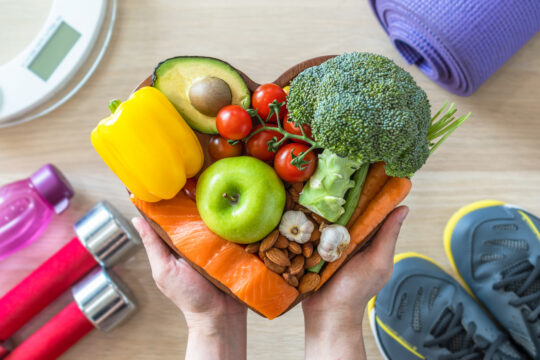
As we age, taking care of our brains becomes just as important as caring for our hearts, bones, and muscles. While occasional forgetfulness is a normal part of aging, research shows that eating healthy foods for brain health after 50 may help support memory, concentration, and overall cognitive function.
Although no single food can prevent dementia or Alzheimer’s disease, a balanced diet rich in vitamins, minerals, antioxidants, and healthy fats can help nourish the brain and may reduce the risk of age-related cognitive decline. Discover the 10 best brain-healthy foods after age 50 that may improve memory, support cognitive function, and promote healthy aging with science-backed nutrition.
According to the National Institute on Aging (NIA), healthy eating, regular physical activity, quality sleep, and staying socially connected all play important roles in supporting lifelong brain health.
Why Nutrition Matters for Brain Health
Your brain relies on a steady supply of nutrients to perform everyday tasks—from remembering names to making decisions and staying focused. In order to do this, your body needs healthy blood vessels to help deliver oxygen and nutrients to keep the brain functioning properly. The American Heart Association shares that cardiovascular health goes hand in hand with cognitive health.
- Antioxidants (such as vitamins C and E, flavonoids, and polyphenols) that help protect brain cells from damage caused by free radicals.
- Healthy fats, especially omega-3 fatty acids (DHA and EPA), that support communication between nerve cells and help maintain healthy brain structure.
- Vitamins and minerals—including B vitamins (B6, B12, and folate), magnesium, potassium, iron, zinc, and vitamin K—that support healthy blood flow, nerve function, oxygen delivery, and energy production in the brain.
- Anti-inflammatory nutrients, including omega-3 fatty acids, antioxidants, and plant compounds found in fruits, vegetables, nuts, and olive oil, that help reduce inflammation and oxidative stress, both of which are linked to age-related cognitive decline.
1. Fatty Fish
Fatty fish are among the richest sources of omega-3 fatty acids, which help build brain cells and support learning and memory. Studies suggest omega-3s may also help reduce inflammation associated with cognitive aging. If you don’t eat fish, ask your healthcare provider whether an omega-3 supplement is appropriate.
Best choices: Salmon, trout, sardines, tuna, and mackerel
Try to eat: Two servings each week.
2. Leafy Green Vegetables
Research suggests people who regularly eat leafy greens may experience slower cognitive decline compared with those who eat very little. Spinach, kale, collard greens, broccoli, and Swiss chard are packed with:
- Vitamin K
- Folate
- Vitamin C
- Vitamin E
- Lutein
Easy idea: Add spinach to eggs, smoothies, soups, or sandwiches.
3. Berries
Some studies suggest berries may help improve memory and slow age-related changes in the brain. Blueberries, strawberries, raspberries, and blackberries contain flavonoids—powerful antioxidants that may protect brain cells from oxidative stress.
Aim for: A handful several times each week.
4. Nuts and Seeds
Walnuts, almonds, pistachios, flaxseeds, pumpkin seeds, and chia seeds provide:
- Healthy fats
- Vitamin E
- Magnesium
- Plant-based omega-3 fatty acids
Walnuts, in particular, have been associated with improved cognitive health.
Snack idea: A small handful daily.
5. Whole Grains
Whole grains—including oatmeal, quinoa, brown rice, barley, and whole-wheat bread—provide steady energy for the brain. Unlike refined carbohydrates, whole grains help maintain stable blood sugar, supporting better concentration throughout the day.
6. Eggs
Eggs are one of the best dietary sources of choline, a nutrient used to produce acetylcholine, a neurotransmitter essential for learning and memory.
They also provide:
- Vitamin B6
- Vitamin B12
- Folate
- High-quality protein
7. Colorful Fruits and Vegetables
Brightly colored produce supplies antioxidants that help protect brain cells. The more color on your plate, the greater the variety of beneficial nutrients.
Choose a rainbow of colors, including:
- Tomatoes
- Sweet potatoes
- Carrots
- Bell peppers
- Oranges
- Squash
- Beets
8. Beans and Legumes
Beans, lentils, black beans, and chickpeas help regulate blood sugar while providing steady energy for healthy brain function. They provide:
- Fiber
- Plant protein
- Iron
- Folate
- B vitamins
9. Extra Virgin Olive Oil
Extra virgin olive oil is a cornerstone of the Mediterranean diet. Its monounsaturated fats and antioxidants may help reduce inflammation and support long-term brain health.
Simple swap: Use olive oil instead of butter when cooking or making salad dressings.
10. Green Tea
Green tea contains antioxidants called catechins along with a modest amount of caffeine and the amino acid L-theanine.
Together, these compounds may improve:
- Alertness
- Focus
- Concentration
- Mental clarity
Don’t Forget to Stay Hydrated
Even mild dehydration can affect memory, mood, and concentration. Because older adults often experience a reduced sense of thirst, it’s important to drink fluids regularly throughout the day.
Water-rich foods also help, including:
- Watermelon
- Cucumbers
- Oranges
- Strawberries
- Celery
The CDC notes that dehydration becomes more common with age and during periods of extreme heat. Read more about heat related dehydration here.
Consider the Mediterranean or MIND Diet
The Mediterranean Diet and the MIND Diet (Mediterranean-DASH Intervention for Neurodegenerative Delay) are among the most researched eating patterns for brain health. Studies suggest these diets may help support memory and reduce the risk of cognitive decline.
Both emphasize:
- Vegetables
- Fruits
- Whole grains
- Fish
- Olive oil
- Beans
- Nuts
- Limited processed foods
- Limited added sugar
Foods to Limit for Better Brain Health
A healthy brain isn’t only about what you eat—it’s also about what you avoid. Diets high in added sugars, unhealthy fats, and excess sodium have been linked to an increased risk of cognitive decline and other chronic health conditions. If you’re looking to make smarter food choices, check out Top 6 Foods + Drinks Seniors Should Avoid (and Healthier Alternatives) for practical tips on foods to limit and healthier swaps. Replacing processed foods with whole foods benefits both your heart and your brain.
Try to Limit:
- Sugary drinks
- Highly processed foods
- Fried foods
- Foods high in saturated and trans fats
- Excess sodium
- Excess alcohol
Healthy Habits That Support Memory
Nutrition works best when combined with other healthy lifestyle habits. Keeping your cholesterol at a healthy level is an important part of protecting both your heart and your brain. Healthy blood vessels deliver the oxygen and nutrients your brain needs to function properly. Regular cholesterol screenings can help identify potential risks early.
Research from the National Institute on Aging suggests that combining regular physical activity, a nutritious diet, good sleep, and social engagement offers the greatest support for maintaining cognitive health as we grow older.
You can help support your brain health by:
- Walking or exercising regularly
- Strength training at least twice a week
- Challenging your brain with reading, puzzles, games, or learning new skills
- Staying socially connected with family, friends, or community groups
- Getting seven to nine hours of quality sleep each night
- Managing conditions such as diabetes, high blood pressure, high cholesterol, and hearing loss
Small Changes Can Make a Big Difference
You don’t need expensive supplements or a complicated meal plan to support your brain.
Simple choices—adding spinach to your salad, snacking on berries, choosing whole grains, cooking with olive oil, or enjoying salmon for dinner—can make a meaningful difference over time.
Combined with regular physical activity, quality sleep, social engagement, and routine healthcare, healthy eating is one of the best ways to support memory, maintain independence, and promote healthy aging after 50.
Frequently Asked Questions
What is the best food for brain health after age 50?
Fatty fish like salmon are among the best choices because they provide omega-3 fatty acids that support brain cell function and memory.
Can food prevent Alzheimer’s disease?
No single food can prevent Alzheimer’s disease. However, research suggests that healthy dietary patterns such as the Mediterranean and MIND diets may help reduce the risk of cognitive decline.
What vitamins are important for memory?
Vitamins B6, B12, folate, vitamin E, and vitamin K all play important roles in maintaining healthy brain function.
Disclaimer: This article is for informational purposes only and should not replace professional medical advice. Always consult your healthcare provider before making significant dietary changes or starting supplements, especially if you have existing health conditions or take prescription medications.
Additional Resources
- National Institute on Aging: https://www.nia.nih.gov
- Alzheimer’s Association: https://www.alz.org
- American Heart Association: https://www.heart.org
- Harvard T.H. Chan School of Public Health (MIND Diet)
Related Videos:
Rethinking Brain Aging: Why Energy Matters for Memory, Focus & Long-Term Cognitive Health
Subscribe
Sign Up for Our E-Newsletter!
Stay up-to-date on all of the topics you care about by subscribing to our quarterly newsletter emailed directly to your inbox!
SubscribeSubscribe
Sign Up for Our E-Newsletter!
Stay up-to-date on all of the topics you care about by subscribing to our quarterly newsletter emailed directly to your inbox!
Subscribe